If you want Malibu to feel a little more open, a little more grounded, and still close to the coast, Malibu Park deserves a serious look. For many buyers and sellers, the challenge is finding a neighborhood that balances land, lifestyle, and long-term property potential without losing that unmistakable Malibu setting. This guide will help you understand what makes Malibu Park distinct, what to watch for in a purchase or sale, and why this west Malibu neighborhood appeals to people who want more than a typical beach address. Let’s dive in.
Malibu Park at a Glance
Malibu Park is a neighborhood notification area tracked by the City of Malibu, and city planning materials describe it as a long-established west Malibu neighborhood. Recent staff reports note that the area was almost completely built out before the 2018 Woolsey Fire, which is still part of the neighborhood’s story today.
That context matters because Malibu Park is not simply about ocean proximity. It is also about land use, rebuild context, and a lower-density pattern that gives the area a more spacious feel than Malibu’s tighter beachfront corridors.
In documented city cases, Malibu Park includes RR-2 zoning and parcel sizes ranging from about 0.44 acre to 5.97 acres. That wide range helps explain why the neighborhood often feels more spread out and more rural in character than buyers may expect from Malibu.
Why Malibu Park Feels Different
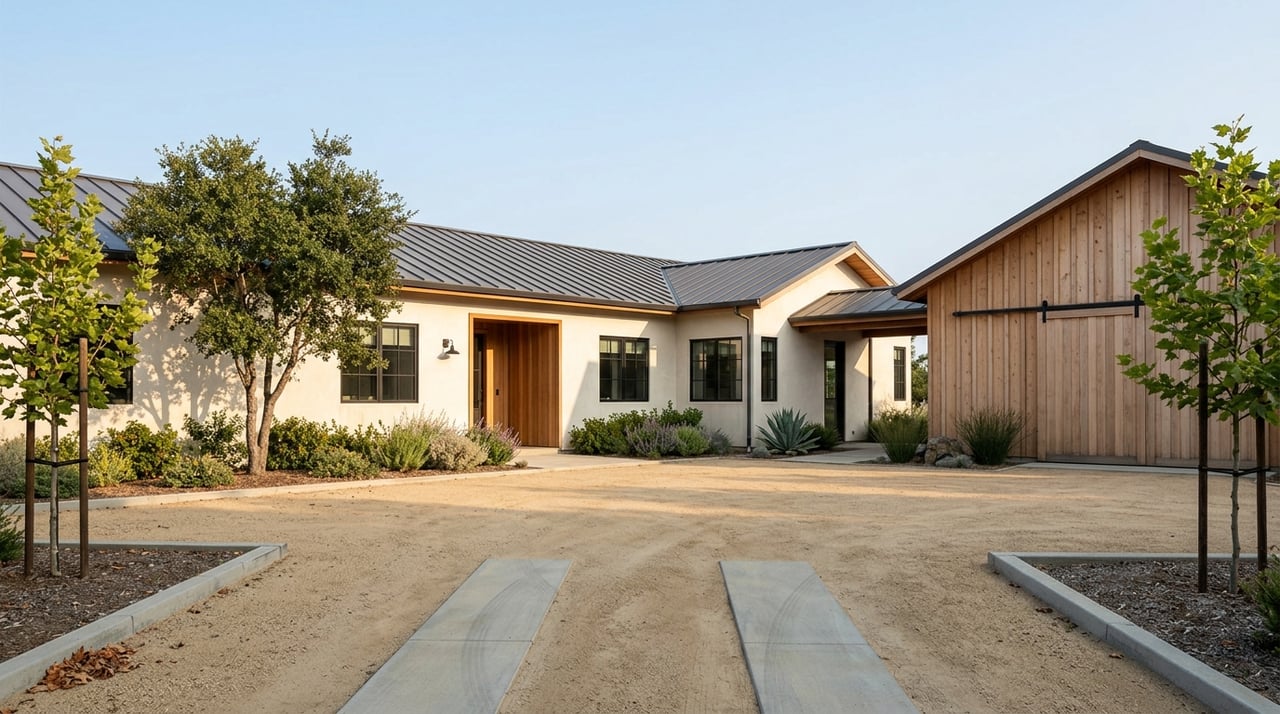
A big part of Malibu Park’s appeal is its coastal-rural identity. Based on the City of Malibu’s stated focus on preserving rural characteristics and the area’s lower-density land-use pattern, Malibu Park tends to feel more like a coastal ranch enclave than a compact beach strip.
For you as a buyer, that can mean more breathing room, more emphasis on the shape and usability of a parcel, and a stronger connection to the land itself. For you as a seller, it means the property story often goes beyond square footage and finishes.
In Malibu Park, lifestyle and value are often tied to how a property sits on the land, what kind of access it offers, and how it fits into the broader trail and equestrian setting. That is one reason neighborhood knowledge matters so much here.
Coastal Permits and Rebuild Questions
Every property in the City of Malibu sits within the California coastal zone. That means development and most activity within city limits are subject to the City’s Local Coastal Program, and coastal development permits are reviewed locally unless an exemption applies.
In practical terms, remodels, additions, and rebuild plans in Malibu Park are usually parcel-specific questions, not one-size-fits-all neighborhood questions. Two homes on different lots can have very different paths depending on their site conditions and project scope.
This is especially relevant in Malibu Park because reconstruction remains part of the neighborhood story after the Woolsey Fire. Buyers often want to understand future potential, while sellers benefit from presenting a property with clarity around land use, site context, and feasibility.
What Buyers Should Pay Attention To
If you are considering Malibu Park, look beyond the usual home search checklist. In this neighborhood, due diligence often means understanding the parcel as much as the house.
Key areas to review include:
- The lot size and overall site layout
- The property’s relationship to local coastal permit requirements
- Whether your plans involve remodeling, adding on, or rebuilding
- How the parcel fits within the area’s low-density and rural-feeling pattern
- Access to trails, equestrian amenities, and nearby daily conveniences
For many buyers, the real question is not just whether a home looks right today. It is whether the property supports your long-term plans and lifestyle in Malibu.
Trails and Outdoor Access
Malibu Park stands out for its connection to the Zuma/Trancas canyon trail system. The National Park Service lists hiking, horseback riding, mountain biking, dog walking, and wildlife viewing in the area, and it identifies the Zuma Ridge Trailhead near Zuma Beach.
That kind of access shapes everyday life in a real way. Instead of needing to plan a full outing, you can live near places that support an active outdoor routine.
City trail planning also identifies local connectors such as the Morning View Pathway and the Morning View Connector to the Equestrian Center. Together, these reinforce Malibu Park’s trail-oriented layout and help explain why the neighborhood feels closely tied to outdoor movement rather than just scenic views.
Equestrian Living in Malibu Park
The equestrian side of Malibu Park is not just a theme. It is supported by real local infrastructure.
The City of Malibu’s Malibu Equestrian Park, located adjacent to Malibu High School, has two riding arenas. It is open to the public for practice and recreational riding when not reserved for horse shows and lessons.
If horses are part of your lifestyle, or if you simply value a neighborhood with that kind of land-based identity, Malibu Park offers something increasingly hard to find along the coast. It brings together a Malibu setting with an equestrian context that feels practical, not just aspirational.
Beach Access Without the Beachfront Density
For nearby beach time, Zuma Beach is the main reference point. The City identifies Zuma as the largest beach in Malibu, and it notes that parking is fee-based and can fill on hot summer days.
That detail may seem small, but it helps set expectations for daily life. You are close to one of Malibu’s best-known beach amenities, while living in a neighborhood that typically feels less dense and less centered on tourist activity than the beachfront core.
For many people, that balance is the draw. You get beach access nearby, but your home base can feel calmer, more spacious, and more connected to trails and land.
Nearby Nature Beyond the Beach
Another outdoor option near Malibu Park is Charmlee Wilderness Park. The city describes it as a 532-acre park with more than six miles of hiking trails.
That adds another layer to the neighborhood’s appeal. Malibu Park is not just about one beach or one trailhead. It sits within a broader outdoor network that supports hiking, riding, and time outside in multiple directions.
Daily Conveniences in Malibu Park
Malibu Park’s everyday rhythm is more about practical convenience than dense retail. The main shopping and dining node to know is Trancas Country Market, located at 30745-30811 Pacific Coast Highway in city planning documents.
The center is described by the city as a neighborhood shopping center near public access to Zuma Beach and Trancas Beach. That makes it a useful part of day-to-day life for residents who want quick errands and casual meals nearby.
Current business pages there show grocery and dining uses, including Vintage Grocers, which lists a coffee and juice bar plus a full-service deli. Kristy’s Village Cafe also operates there and says it serves breakfast, lunch, and dinner.
For you, this means Malibu Park supports a more relaxed daily pattern. It is less about nightlife and more about a market stop, a coffee, a meal, and easy access to the outdoors.
What Sellers Should Highlight
If you are selling in Malibu Park, the strongest marketing angle is often the combination of land, lifestyle, and location. Buyers are not just comparing countertops or view lines. They are also comparing parcel utility, trail access, beach proximity, and the overall feel of the neighborhood.
Important points to position clearly include:
- The lot size and how the property sits on the land
- Access to trails, riding amenities, and outdoor recreation
- Proximity to Zuma Beach and Trancas Country Market
- Any relevant rebuild, remodel, or long-term property potential
- The lower-density character that distinguishes Malibu Park from denser Malibu areas
This is one of those Malibu neighborhoods where informed positioning can make a meaningful difference. A buyer looking for coastal ranch living is often searching for a very specific fit.
Why Hyperlocal Guidance Matters Here
Malibu Park is easy to misunderstand if you look at it through a generic Los Angeles lens. What matters here is not just the address. It is the parcel, the approval path, the outdoor setting, and the neighborhood’s long-established character.
That is why local experience is especially valuable in Malibu Park. Whether you are buying, selling, or evaluating a rebuild opportunity, success often comes down to seeing the full picture, not just the listing details.
For clients weighing homes, land, or long-term property strategy in west Malibu, Malibu Park can offer a rare combination of space, recreation, and coastal access. If you want help understanding how a specific property fits into that picture, Bill & Daniel Moss bring decades of Malibu experience, including deep knowledge of Malibu Park, land, and rebuild decisions.
FAQs
What is Malibu Park like for homebuyers in Malibu?
- Malibu Park is a long-established west Malibu neighborhood known for a lower-density feel, a wide range of parcel sizes, nearby trail access, equestrian context, and close proximity to Zuma Beach.
What should buyers know about permits in Malibu Park?
- Because Malibu is in the California coastal zone, development is subject to the City’s Local Coastal Program, and remodel or rebuild questions are typically parcel-specific.
Is Malibu Park a good fit for trail and horse access?
- Yes. The Zuma/Trancas canyon system supports hiking, horseback riding, mountain biking, dog walking, and wildlife viewing, and the City’s Malibu Equestrian Park offers public riding access when available.
How close is Malibu Park to the beach?
- Zuma Beach is the main nearby beach reference, and the City of Malibu identifies it as the largest beach in Malibu with fee-based parking that can fill on busy summer days.
Where do Malibu Park residents go for daily errands and casual dining?
- Trancas Country Market is the main local convenience hub, with grocery and dining options that support everyday shopping and casual meals near the neighborhood.
What makes Malibu Park different from other Malibu areas?
- Malibu Park stands out for its coastal-rural feel, lower-density land pattern, equestrian and trail connections, and focus on land and lifestyle rather than a dense beachfront setting.