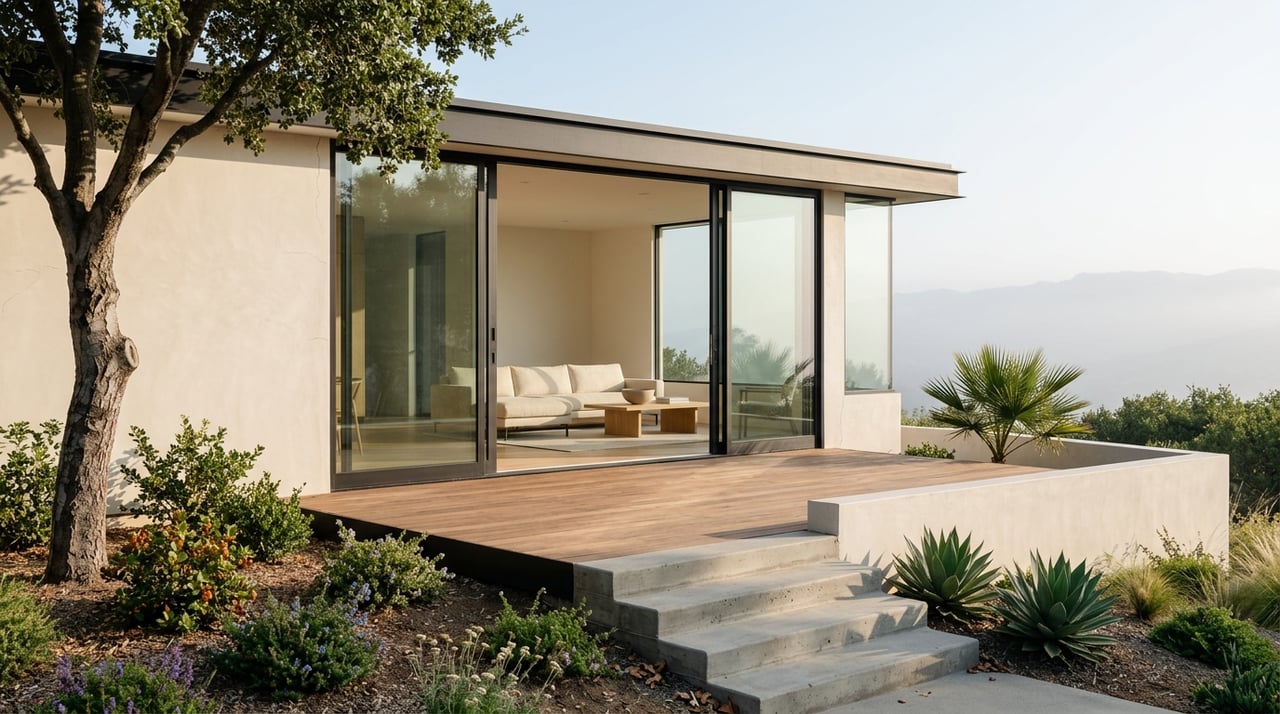
If you picture Malibu as only a beachfront lifestyle, the hills may surprise you. Everyday life in Malibu Hills is shaped just as much by trailheads, canyon roads, and mountain views as it is by the coastline. If you are thinking about living here, this guide will help you understand what daily routines, practical planning, and weekend life can really look like. Let’s dive in.
Malibu Hills setting and feel
Malibu’s inland hills and canyons sit within the Santa Monica Mountains, a landscape made up of public parkland and private property. According to the National Park Service, this region is part of the nation’s largest urban national park, which helps explain why open space plays such a big role in daily life here.
That setting creates a different rhythm from the beachfront corridor. The City of Malibu’s Local Coastal Program notes that development in these areas is shaped by steep slopes, geologic and environmental constraints, and reliance on private septic systems in many locations. In practical terms, that means the land itself influences how homes are built, accessed, and maintained.
Scenery is not just a bonus in the hills. The City identifies the Santa Monica Mountains region as an area of exceptional scenic beauty, with visual impact standards for development visible from scenic roads and public viewing areas. For you as a resident, that often translates into days framed by ridgeline views, canyon backdrops, and coastline outlooks.
Outdoor life is part of the routine
One of the clearest lifestyle advantages in Malibu Hills is how easily outdoor time fits into your week. The Santa Monica Mountains trail network includes more than 500 miles of trails, and the Backbone Trail runs 67 miles east to west across the range. That kind of access makes a quick weekday outing or a longer weekend hike very realistic.
The trail system is also well suited to regular use. National Park Service trail guides note practical details such as trailheads, parking, bathrooms, water access, and where dogs or mountain bikes are allowed. That matters because it supports real routine, not just occasional recreation.
Local parks you may actually use
Charmlee Wilderness Park is a strong example of what hillside living can look like day to day. The City says the park spans more than 532 acres and offers over eight miles of hiking trails, with hours from 8:00 a.m. to sunset.
That sounds simple, but it shapes lifestyle in a real way. When a substantial trail network is nearby and publicly maintained, it becomes easier to build outdoor time into your mornings, afternoons, or weekends. It is also worth noting that Charmlee closes during Red Flag Warnings, which is a reminder that recreation in the hills often depends on weather and fire conditions.
Solstice Canyon is another nearby option that feels approachable for everyday use. The National Park Service describes it as a 2.1-mile round trip trail with year-round access, shaded sections, creek crossings, ruins, a waterfall, and ocean views on the return climb.
Equestrian access remains part of Malibu life
Horse culture is still part of Malibu’s local identity, and that shows up in the hills lifestyle. The Malibu Equestrian Park includes two riding arenas, restrooms, and a picnic area, and the City says it is open to the public for practice and recreational riding when not reserved for shows or lessons.
The City’s planning framework also specifically contemplates trails designed for hiking, biking, and equestrian use where safe. If equestrian access matters to you, that is a meaningful part of how certain Malibu areas function beyond just their home values or views.
Daily errands and commuting in the hills
Living in Malibu Hills often means your movement is shaped by Pacific Coast Highway and the canyon roads that connect inland neighborhoods to the coast. LA Metro Route 134 runs between Downtown Santa Monica Station and Malibu via PCH, with stops that include Malibu Pier, Cross Creek, Civic Center Way, Malibu Canyon Road, and Trancas Canyon.
Still, day-to-day life in the hills is generally vehicle-centered. The City’s planning analysis notes that many inland streets sit above PCH, are steep and narrow, and often lack sidewalks, which can make bus access difficult. The same analysis states that Malibu does not have a robust public transit system.
For you, this means location details matter. A home may have beautiful views and privacy, but daily convenience can also depend on road conditions, route length to PCH, and how easy it is to reach stores, appointments, and regular stops.
Why planning ahead matters
The National Park Service notes that roads in the Santa Monica Mountains are often curvy and winding, and cell reception can be spotty. That may sound minor until it becomes part of your normal routine.
In practice, you may plan errands more intentionally than you would in a flatter, denser neighborhood. You may also want to know how a property sits in relation to major roads, where turnarounds are, and how easy the drive feels after dark or during poor weather.
Limited shared-ride support
For some residents, the City offers a Dial-A-Ride program. According to the City’s February 2026 notice, the service is available to Malibu residents age 55 and older, residents with disabilities, and people living within Malibu city limits, with service Monday through Thursday from 8 a.m. to 5 p.m. and Friday from 8 a.m. to 4 p.m.
That service will not replace a car-centered lifestyle for most hillside households, but it can be a useful layer of support depending on your needs.
Homeownership comes with practical planning
Malibu Hills living is scenic, but it is also hands-on in ways buyers sometimes underestimate. Utilities, wastewater systems, fire readiness, and access questions are all part of the ownership picture.
This is one reason hyperlocal property knowledge matters in Malibu. Two homes with similar views may come with very different practical considerations based on topography, access, and infrastructure.
Water and utilities
According to the City, Malibu households are served by Los Angeles County Waterworks District 29. The City also notes local water conservation rules and lists Southern California Edison as the electricity provider.
That means utility awareness is part of day-to-day ownership. It is wise to understand not only who serves the property, but also what local rules or seasonal conditions may affect use.
Septic systems are a real consideration
In hillside areas, wastewater is a major point of due diligence. The City’s Operating Permit Program states that permits are required for new onsite wastewater treatment systems, and that existing systems need permits at point of sale or when repaired.
The City’s Local Coastal Program also notes Malibu’s dependence on private septic systems. If you are buying in the hills, this is not a small technical detail. It is part of how the property functions, how improvements may be reviewed, and what questions you should ask early.
Fire weather affects routine decisions
Fire readiness is part of everyday life in Malibu Hills. The City says Southern California Edison may proactively shut off power in at-risk areas during critical fire weather, and Malibu has official evacuation zones labeled MAL-C111 through MAL-C114.
The City also states that fire services in Malibu are provided by the Los Angeles County Fire Department through four local stations. Add in park closures during Red Flag Warnings, and you can see how seasonal awareness affects both recreation and home operations.
What weekends often look like
Weekend life in Malibu Hills often centers on nature, not dense commercial activity. You might start with an early trail outing, spend time at a local park, visit the equestrian park, or plan a longer hike through the broader trail network.
One of the area’s biggest lifestyle advantages is variety. The National Park Service notes that Malibu combines access to major beaches with a very large trail system, so you can blend mountain and coastal time in the same weekend.
That balance is a big part of the appeal. You are not choosing between hills and coast so much as choosing how close you want to live to both, and how much privacy, topography, and outdoor access you want in your daily routine.
Smart questions to ask about a Malibu Hills property
If you are seriously considering a home in Malibu Hills, it helps to look beyond finishes and views. The City’s planning analysis points to several practical questions that can shape your ownership experience.
Here are some of the most useful ones to ask:
- How far is the property from PCH and everyday services?
- Are the access roads steep, narrow, or winding?
- Is the home connected to sewer, or does it rely on septic?
- Which Southern California Edison circuit serves the property?
- What evacuation zone is the property in?
- Is there nearby trail or equestrian access?
These are the kinds of details that influence not just convenience, but also long-term fit. In Malibu Hills, the setting is a major part of the value, and it should be part of your decision-making too.
Malibu Hills offers a lifestyle that feels scenic, outdoors-oriented, and more rural in its logistics than many buyers expect, while still staying connected to Malibu’s coastal amenities. If you want a home where landscape, privacy, and day-to-day planning all matter, the hills can offer a very distinctive kind of living. If you are exploring Malibu hillside homes, land, or canyon properties, Bill & Daniel Moss can help you evaluate the details that shape real everyday value.
FAQs
What is everyday life like in Malibu Hills?
- Everyday life in Malibu Hills is typically shaped by mountain scenery, outdoor access, canyon-road travel, and practical planning around utilities, septic systems, and fire weather.
Are there good hiking options near Malibu Hills homes?
- Yes. The Santa Monica Mountains trail network includes more than 500 miles of trails, and nearby options include Charmlee Wilderness Park and Solstice Canyon.
Is Malibu Hills easy to get around without a car?
- In most cases, daily life remains vehicle-centered because many inland roads are steep or narrow, bus service runs along PCH, and the City notes Malibu does not have a robust public transit system.
Do Malibu Hills homes use septic systems?
- Many hillside properties depend on private septic or onsite wastewater systems, and the City requires permits for new systems and for certain existing-system situations such as point of sale or repair.
How does fire weather affect Malibu Hills living?
- Fire weather can affect daily routine through possible power shutoffs, evacuation planning, and closures of some parks during Red Flag Warnings.
What should buyers ask before purchasing in Malibu Hills?
- Useful questions include how the property connects to PCH, whether roads are steep or winding, whether the home is on sewer or septic, which utility circuit serves it, what evacuation zone it is in, and whether trail or equestrian access is nearby.