By Bill & Daniel Moss
In Malibu, the gap between what people think they know and what is actually true can cost them in price, in timing, and in the specific trade-offs they make without fully understanding them.
Buying a home in Malibu requires a different kind of preparation than buying elsewhere in Los Angeles County: the neighborhoods vary dramatically in character and lifestyle, and the events of the past year-plus have reshaped the market in ways that buyers who are not paying close attention may not fully appreciate.
Key Takeaways
-
Malibu spans 21 miles of Pacific coastline with a Mediterranean climate and approximately 305 dry days a year, offering a lifestyle genuinely unlike any other community in Los Angeles County.
-
The January 2025 Palisades Fire affected eastern Malibu and has shaped ongoing market conditions, including increased inventory and a meaningful architectural shift toward fire-resilient construction.
-
The market divides into distinct tiers, from inland lots and modest homes to trophy oceanfront compounds, and understanding which tier your budget reaches is the first strategic decision in any Malibu search.
-
Home insurance in Malibu is a material consideration in 2026, with the California market having undergone significant disruption in recent years.
The Neighborhoods: Malibu Is Not One Market
The city's 21 miles of coastline encompass distinct communities that each offer a fundamentally different version of coastal living.
-
Carbon Beach: Known informally as Billionaire's Beach, this is the most coveted and expensive stretch of sand in Malibu, with ultra-luxury oceanfront compounds and a concentration of high-profile residents that reflects its standing as the definitive address.
-
Malibu Colony and Malibu Cove Colony: Exclusive gated communities long home to celebrity and entertainment industry residents, with beachfront homes on the sand and dramatic views toward Point Dume.
-
Point Dume: Bluffs, canyons, and cliffside estates overlooking Santa Monica Bay, with large lots, a family-oriented character, and beach access via private Rivieras deeded to many of the properties.
-
Broad Beach: Deep-lot beachfront properties with unobstructed whitewater views, a gated street, and a community character that has drawn prominent entertainment industry residents for decades.
-
Serra Retreat: A gated inland estate community near Malibu's shopping corridor, offering privacy for buyers who want the Malibu address without direct beachfront exposure.
-
Malibu Park: Family-friendly, with larger inland lots and ocean views, offering a more accessible entry point and a lifestyle suited to buyers who prioritize space over sand proximity.
The neighborhood you choose shapes your lifestyle, your maintenance obligations, your fire and flood risk profile, and the long-term appreciation dynamics of your investment.
The Market in 2026
The Malibu market in 2026 is genuinely more favorable to buyers than it has been in recent years, and understanding why requires understanding what has shaped the current inventory picture.
-
Post-fire market conditions: By 2026, increased inventory and longer days on market reflect the aftermath, representing a genuine opportunity for well-prepared buyers.
-
Price tiers: The market splits into three broadly defined tiers: entry-level land and modest homes, a mid-market of established residential properties, and a trophy tier of oceanfront compounds that reach well into eight figures.
-
Renovation potential: The median Malibu home dates from the mid-1970s, and buyers who can price renovation accurately often find more value than those seeking move-in-ready properties.
-
Insurance: The California homeowners insurance market has undergone its most significant disruption in decades, and Malibu's fire history makes coverage availability and cost a material due diligence item that belongs at the beginning of a purchase decision, not the end.
Buyers who arrive genuinely prepared, with financing confirmed and insurance pre-investigated, hold a meaningfully stronger negotiating position.
Malibu Residential Architecture
The architecture of Malibu is one of the most compelling aspects of buying here, and one of the most misunderstood. The popular image of glass-and-steel contemporary compounds captures one tier but obscures a considerably richer picture.
-
Contemporary and modern: The most visible tier, characterized by floor-to-ceiling glazing, open-plan layouts prioritizing indoor-outdoor flow, and structural systems calibrated to the site's coastal exposure.
-
Mid-century and ranch: Ranch-style and mid-century single-level homes from the 1960s and 1970s represent a significant renovation opportunity for buyers who can see past dated interiors to the underlying position and structural bones.
-
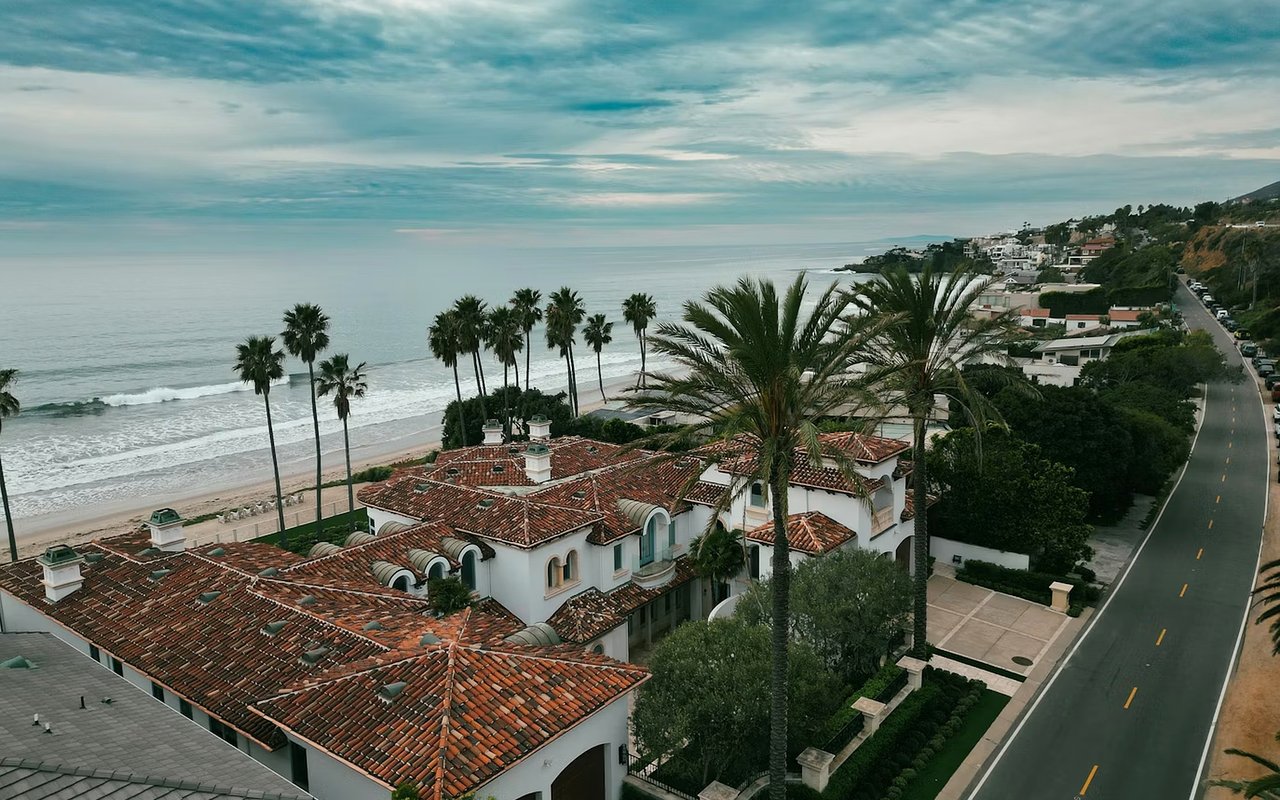
Mediterranean and estate: Mediterranean-influenced architecture with tile roofing, stucco exteriors, and enclosed courtyards has a long history in Malibu's canyon and hillside communities and remains present in the estate segment.
The shift toward fire-resilient architecture is a structural response to a permanent risk environment, reshaping both the aesthetics and the engineering of new Malibu construction.
FAQs
How has the January 2025 Palisades Fire affected the Malibu market for buyers?
The fire's direct impact on Malibu was concentrated in the eastern portions of the city, with PCH road closures creating extended market disruption. In fire-affected areas, the rebuilding effort is active and informed by a new generation of fire-resilient architecture and pre-approved rebuilding plans designed to reduce permitting timelines.
Is Malibu genuinely livable year-round, or is it primarily a seasonal or second-home market?
Both, and the split matters for how you approach a purchase. A significant share of Malibu properties are second homes, which affects neighborhood energy and service availability in off-peak months.
What does working with a local Malibu specialist provide that a general Los Angeles agent cannot?
Malibu's micro-market knowledge operates at the beach-by-beach and block-by-block level in ways inaccessible from public listing data. A property's Coastal Commission permit status, PCH noise profile, septic capacity relative to intended use, insurance availability for a specific parcel's fire risk zone, and the realistic renovation budget for a mid-1970s home all require the kind of granular, locally specific knowledge that only comes from extended presence in this market.
Work with Bill & Daniel Moss in Malibu
Bill & Daniel Moss have been representing architecturally significant homes in Malibu for 40 years, including works by Craig Ellwood, Ed Niles, David Gray, Doug Burdge, and many other influential Architects throughout the years. Bill & Daniel understand that these homes are a piece of art more than just a home, and those details can be seen in every aspect of the home. Bill & Daniels admiration and understanding of the nuances each of these architects used to create their independent identity is what allows them to showcase architecturally significant properties to the standard they deserve.
If you would like to discuss finding a specific property or are fortunate to own one yourself, we would love to work with you.
If you would like to discuss finding a specific property or are fortunate to own one yourself, we would love to work with you.