If you want Malibu character without losing sight of the water, Big Rock deserves a closer look. This eastern Malibu neighborhood blends vintage homes, broad coastal views, and a setting that feels distinctly local rather than overly polished. If you are weighing lifestyle, long-term value, and the realities of buying on the coast, this guide will help you understand what makes Big Rock stand out and what you should look at carefully. Let’s dive in.
Where Big Rock Fits in Malibu
Big Rock is an eastern Malibu neighborhood within the City of Malibu, not a separate town. It sits along the Pacific Coast Highway corridor, with city coastal maps placing Big Rock Beach and Las Tunas Beach in the same eastern shoreline area.
You may also hear the name Big Rock Mesa. In city use, Big Rock refers to the neighborhood, while Big Rock Mesa is the landslide maintenance district that serves about 327 properties in the area. That distinction matters because it shapes how buyers should think about location, disclosures, and ongoing property considerations.
Big Rock’s Vintage Malibu Appeal
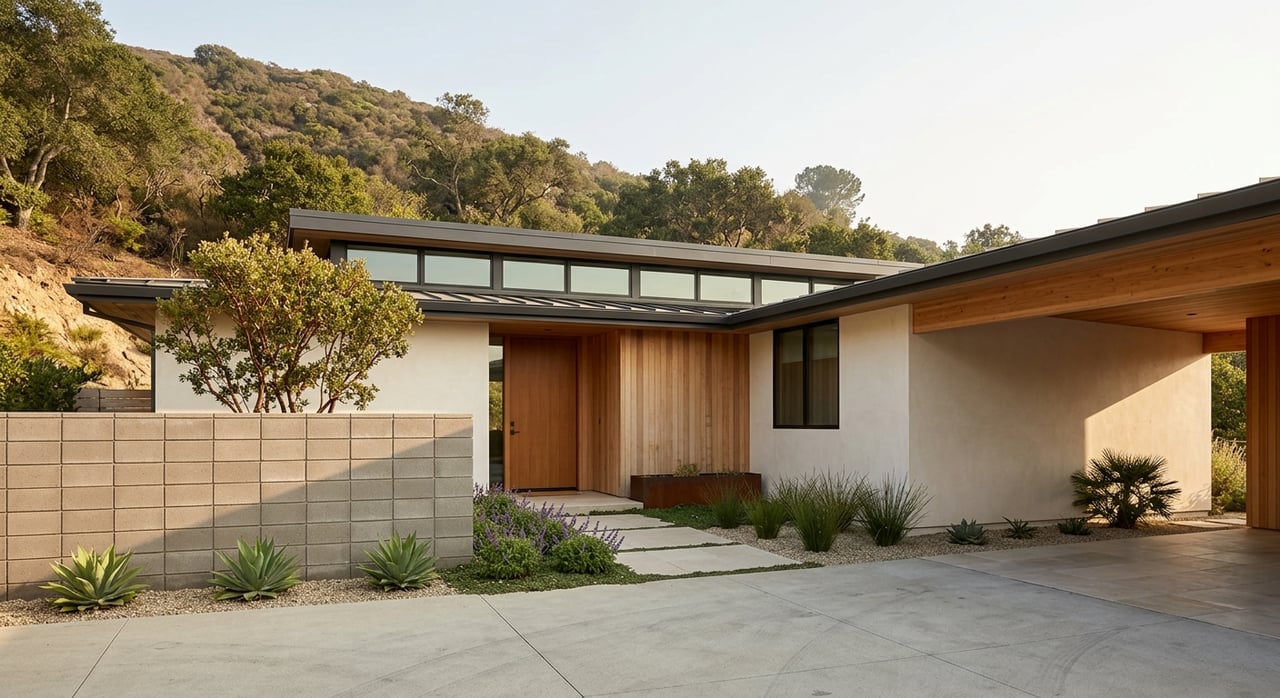
One of the strongest draws in Big Rock is its housing character. The area has a meaningful base of older single-family homes, including 1950s residences and midcentury ranch-style examples, which gives it a classic Malibu feel that can be hard to find in more recently built pockets.
At the same time, Big Rock is not a uniform neighborhood of untouched vintage homes. You will also find renovated properties, updated residences, and sites that appeal to buyers thinking about a rebuild or a longer-term value play. That mix is part of what keeps the neighborhood interesting.
A mix of old and new
If you are drawn to architecture and setting, Big Rock offers more variety than a typical tract-style neighborhood. Some homes reflect midcentury lines and older Malibu design sensibilities, while others have been reworked for a more modern coastal lifestyle.
That range can create opportunity. You might find a home with original character, a remodeled property with move-in-ready finishes, or a site where the value lies as much in the setting as in the existing structure.
Why the Views Matter Here
Big Rock is better known for bluff-top and hillside outlooks than for direct beachfront living. The neighborhood’s appeal is closely tied to elevated homes that can capture wide Pacific views, Catalina views, and city-light views depending on position.
That gives Big Rock a specific kind of Malibu experience. Instead of a house sitting right on the sand, you are often looking at a more layered setting where topography, orientation, and elevation shape the lifestyle and the value.
A hillside lifestyle with coastal payoff
For many buyers, that is exactly the attraction. You get the feeling of being above the shoreline with a stronger sense of sweep and perspective, while still staying connected to the coast.
This is one reason micro-location matters so much here. In Big Rock, differences in lot placement, slope, access, and sightlines can have a major effect on how a property lives and how it may perform in the market over time.
Beaches and Outdoor Access
Big Rock also benefits from its place on Malibu’s eastern shoreline. City coastal maps group Big Rock Beach and Las Tunas Beach in the same eastern Malibu zone, and Los Angeles County describes Las Tunas Beach as the southernmost beach in Malibu and easier to access than some nearby beaches.
If you enjoy getting outside beyond the sand, the broader Malibu setting adds another layer. The Santa Monica Mountains have more than 500 miles of public trails, and the Backbone Trail stretches 67 miles across the range. Many trailheads are a short drive from Pacific Coast Highway, which adds real day-to-day lifestyle value for buyers who want both coastline and mountain access.
What Buyers Should Understand First
Big Rock has a lot going for it, but it is also a neighborhood where due diligence matters. The same factors that make it appealing, such as hillside settings, coastal exposure, and older housing stock, also create a more detailed checklist for buyers.
That is not a reason to avoid the area. It is simply a reason to approach it with clear eyes and strong local guidance.
Wildfire planning is part of the picture
Eastern Malibu neighborhoods such as Big Rock Mesa border open wildland space or sit in the wildland-urban interface, according to the City of Malibu’s Community Wildfire Protection Plan. The city also notes that these areas often have limited egress routes and are good candidates for community defensible space efforts.
In 2026, the city reported a goat-and-sheep brush clearance effort in Big Rock to help reduce wildfire danger and clear 70 acres of invasive plants. For buyers, that underscores how important it is to evaluate fire hardening, defensible space, access, and emergency planning as part of the purchase decision.
Geology is not a side note
Geology is another core part of the Big Rock conversation. The Big Rock Mesa Landslide Maintenance District serves about 327 properties and provides dewatering wells, water-level monitoring, slide monitoring, and annual geology reports.
For you as a buyer, that means geologic disclosures, maintenance assessments, and property-specific investigation are part of the normal process here. In a neighborhood like Big Rock, the lot itself can be just as important as the house sitting on it.
Coastal vulnerability matters too
Malibu’s Coastal Vulnerability Assessment includes Big Rock Beach and Las Tunas Beach in its planning for sea-level rise, tidal inundation, storm flooding, and coastal erosion. Even if you are focused on a hillside or bluff-oriented property, this broader coastal planning context matters.
It is one more reminder that buying in Malibu means understanding more than finishes and views. You also want to understand the environmental conditions shaping the area over time.
Rebuilds, Remodels, and Permitting
Big Rock is also part of Malibu’s active recovery story after the Palisades Fire. In March 2026, the city highlighted the first Big Rock resident to receive a rebuild permit, showing that rebuilding, debris recovery, and permit timing remain relevant in the neighborhood.
If you are considering a fixer, teardown, or major remodel, permitting complexity should be part of your expectations from the start. Malibu’s Planning Division directs applicants to review Malibu Municipal Code Title 17 and the Local Coastal Program Local Implementation Plan before submitting plans, and planning approval is required before Building Safety review.
Why this affects value
For some buyers, this complexity is a drawback. For others, it is part of the opportunity, especially if you are looking at a site for a custom home, a major renovation, or a more resilient long-term property strategy.
Either way, the approval path in coastal and hillside Malibu is not something to treat casually. In Big Rock, understanding what may be possible on a property is often just as important as liking the property itself.
Access and Day-to-Day Convenience
Big Rock’s eastern Malibu location is one reason some buyers see it as more commuter-friendly than neighborhoods deeper into Malibu. Access is centered on Pacific Coast Highway, and Big Rock Drive intersects PCH at a location where the city installed signal improvements to help make turns safer.
That said, easier east-end positioning does not eliminate congestion, roadwork, or the realities of traveling on PCH. It simply means Big Rock can offer a location advantage for buyers who want Malibu living with somewhat more direct access toward the east side of the market.
Schools and Area Context
For buyers comparing school options, Malibu public schools are part of the Santa Monica-Malibu Unified School District. In practical terms, that means school-age households usually compare Big Rock within the broader Malibu and Santa Monica district context rather than treating it as a stand-alone neighborhood assignment.
As with any purchase decision, it is wise to confirm current attendance information and district details as part of your own due diligence.
Who Big Rock Often Appeals To
Big Rock tends to make sense for buyers who want eastern Malibu hillside homes with vintage character, strong ocean views, and access to both beaches and trails. It can also appeal to architecturally minded buyers looking for a remodel or rebuild opportunity in a neighborhood with established Malibu identity.
It may be less ideal if you want a simple purchase with very few site questions. Here, the tradeoff is clear: the setting can be special, but the due-diligence checklist is real.
The Big Picture on Big Rock
The best way to think about Big Rock is simple: it offers an older, view-oriented side of Malibu with lasting appeal and real-world complexity. You are not just buying a house here. You are buying into a specific piece of coastal hillside geography where views, vintage character, fire awareness, geology, and permitting all play a role.
That is exactly why neighborhood-level knowledge matters. In a place like Big Rock, understanding the details behind the scenery can help you make a smarter, more confident move.
If you are considering buying, selling, or evaluating a rebuild opportunity in Big Rock, working with a team that knows Malibu block by block can make the process far more informed. Bill & Daniel Moss bring deep local experience in Big Rock, Malibu land, hillside property, and residential sales.
FAQs
What is the difference between Big Rock and Big Rock Mesa?
- Big Rock is the eastern Malibu neighborhood, while Big Rock Mesa refers to the landslide maintenance district that serves about 327 properties in the area.
What kind of homes are common in Big Rock Malibu?
- Big Rock has a strong base of older single-family homes, including 1950s residences and midcentury ranch-style examples, along with renovated homes and rebuild opportunities.
Are Big Rock homes on the beach?
- Many of the area’s defining properties are better described as bluff-top or hillside homes with broad coastal views rather than direct beachfront homes.
What should buyers know about Big Rock property due diligence?
- Buyers should pay close attention to wildfire planning, geology and landslide district details, coastal vulnerability, disclosures, assessments, and any permitting issues tied to remodel or rebuild plans.
Is Big Rock a good fit for Malibu buyers who commute?
- Big Rock’s eastern Malibu location along PCH often makes it feel more commuter-friendly than some neighborhoods farther west, although traffic and road conditions still matter.
What beaches and outdoor access are near Big Rock?
- Big Rock Beach and Las Tunas Beach are part of the same eastern Malibu coastal area, and the broader Santa Monica Mountains trail network offers more than 500 miles of public trails with many trailheads reachable from PCH.
How do schools work for Big Rock Malibu homes?
- Malibu public schools are part of the Santa Monica-Malibu Unified School District, so buyers typically review Big Rock within the broader district context.